
CHOOSING THE RIGHT
AUTO TRANSPORT METHOD
When it comes to auto transport, there are two main methods to choose from: open and enclosed.
Complete the form to get your free, instant shipping quote.
CHOOSING THE RIGHT
AUTO TRANSPORT METHOD
When it comes to auto transport, there are two main methods to choose from: open and enclosed.
Complete the form to get your free, instant shipping quote.
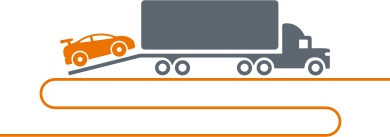
ENCLOSED VS OPEN SHIPPING
Choosing the right auto transport method is essential when shipping a car. Consider the value of your vehicle and the level of protection you desire when choosing between open and enclosed auto transport.
Open Auto Transport
Enclosed Auto Transport
If you have a classic or luxury car that requires extra protection, enclosed transport may be the best option for you. However, if you are transporting a standard vehicle and are looking for a more cost-effective method, open transport may
be the way to go.
ENCLOSED AUTO SHIPPING: THE ULTIMATE PROTECTION FOR YOUR VEHICLE DURING TRANSIT
Enclosed car transport is the safest way to ship your vehicle, especially if you have a high-end, luxury, or classic vehicle.
Our enclosed trailers shield your vehicle from weather elements, unexpected hazards, dirt, debris that could damage it during transport. Our team of experienced drivers take extra precautions when loading and unloading your vehicle to
ensure it arrives in the same condition as it was when it left.
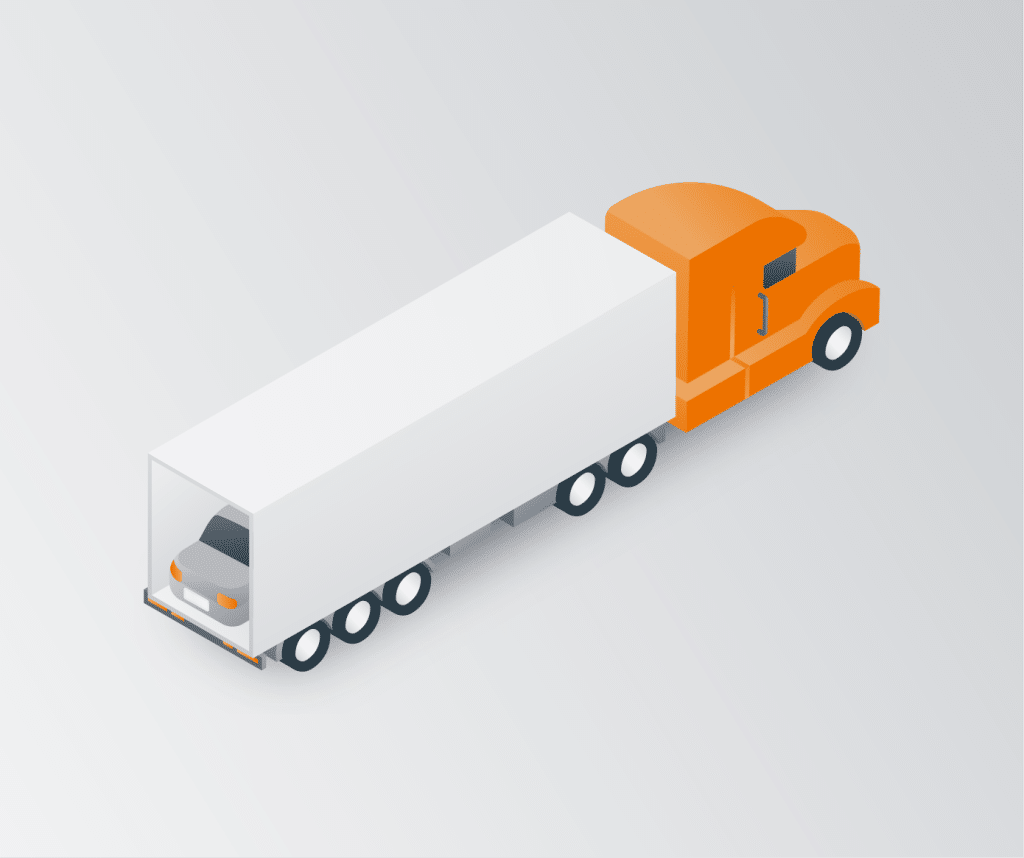
Enclosed car trailers are designed to accommodate vehicles with low ground clearance, using hydraulic lift gates to ensure safe and secure transport.
Our flexible solutions provide options such as two-tier, soft and hard sides, and hydraulic gates, to safely move a variety of vehicles, including classics, ultra-luxury, or custom show cars.
Additionally, enclosed car carriers carry higher insurance premiums to protect your vehicle from any unforeseen circumstances that may occur during transit.
DO I NEED ENCLOSED CAR TRANSPORT?
The decision to use enclosed car transport is a personal one and depends on several factors.
Here are some things to consider when deciding whether or not you need enclosed car transport:
Value of the Vehicle
If your car is rare, exotic, or highly valuable, enclosed car transport may be the best option to ensure its safety during transit.
Distance of Transportation
If you’re transporting your car over a long distance or through harsh weather conditions, enclosed car transport can provide extra protection from the elements.
Time Sensitivity
If you need your vehicle transported within a specific timeframe, enclosed car transport may be a better option as it typically provides more reliable delivery times.
Personal Preference
If you simply prefer the added security and peace of mind that comes with enclosed car transport, then it may be worth the extra cost for you.
REASONS TO CHOOSE ENCLOSED AUTO TRANSPORT
Protection from the Elements
Choosing enclosed auto transport means your vehicle will be safely enclosed within a trailer, protecting it from potential damage caused by weather, road hazards, or even theft.
Low Ground Clearance
For sports cars, luxury cars, or other vehicles with low ground clearance, open car transport may not be an option. Enclosed auto transport provides the extra clearance needed to safely load and unload these vehicles.
Multi-VIN Shipments
Enclosed auto transport trailers come in a variety of sizes, making it easy to transport more than one vehicle at a time. This can be a cost-effective solution for families with multiple cars or for car dealerships needing to transport inventory to different locations.
THE COST OF ENCLOSED AUTO TRANSPORT
The cost of enclosed auto transport is higher than open carrier transport costs. Enclosed auto shipping tends to be more expensive because it is a specialized service, and only a small number of drivers have the right equipment.
However, the actual price depends on several factors, such as:
The Starting and Ending Locations
Having your car shipped across state lines is much different from coast-to-coast shipping: As you might expect, the further your vehicle is going, the more expensive the trip will be for car transport services.
The Time of Year
Usually, enclosed auto transport during the winter months will be more expensive since there’s a higher demand for enclosed car shipping because of the snow, sleet, and ice. Roads are also significantly more dangerous, which could
affect the total cost.
The Route That is Taken
Large freight trucks like enclosed
auto transport carriers are not
allowed on some roadways due to their weight class.
Some examples might be city roads and parkways, which are reserved for noncommercial use. This may force the driver to take a longer or detoured route.
ENCLOSED AUTO TRANSPORT FAQS
Yes, typically enclosed transport is about 40-60% more expensive than open transport. Less than 3% of carriers in the auto transport industry have enclosed trailers, making them more difficult to schedule and more expensive.
Enclosed auto transport follows the same timetable as open car shipping, but there is a chance you’ll receive your car faster. As it’s a higher end service, not as many cars are shipped this way, which means you may not have to wait long for an enclosed carrier.
Car haulers typically travel 400-500 miles per day. Because of circumstances beyond our control, such as weather, traffic, and construction, we can only provide estimates for pickup and delivery times when shipping a car. Depending on the distance, time of year, origin and destination it may take over 10 days to deliver certain cars. Regional and shorter trips can sometimes be done as fast as the next day. Once a driver is assigned to your shipment, we will be able to provide a better delivery time frame.
Once your order has been dispatched, you’ll receive instant text and email updates so you can see where your car is every step of the way.
Yes, you or someone 18 years or older must be present at the time of pick up and delivery to sign for your vehicle.
- Keep the gas level between 1/8 to 1/4 tank to minimize weight.
- Make sure that everything attached to the vehicle is secure and won’t cause damage to the vehicle or nearby vehicles.
- Remove all items, including any valuables and personal documents from the car.
- Wash the vehicle prior to shipping to help the driver make a proper inspection for any existing dings,
dents or scratches. - Check for leaks as driver may refuse to load cars that leak excessive oil or fluids.
- Take high quality photos (including odometer) and videos in case of a damage dispute.
- Have an extra copy of a key just in case.