
CHOOSING THE RIGHT
AUTO TRANSPORT METHOD
Choosing the right auto transport method is essential when shipping a car. There are two primary methods of car shipping: open and enclosed.
Complete the form to get your free, instant shipping quote.
CHOOSING THE RIGHT
AUTO TRANSPORT METHOD
Choosing the right auto transport method is essential when shipping a car. There are two primary methods of car shipping: open and enclosed.
Complete the form to get your free, instant shipping quote.

WHAT IS THE DIFFERENCE
BETWEEN OPEN & ENCLOSED CAR SHIPPING?
When choosing between open and closed auto transport, consider the value of your vehicle and the level of protection you desire.
Open Auto Transport
Enclosed Auto Transport
WHAT IS OPEN CAR TRANSPORT?
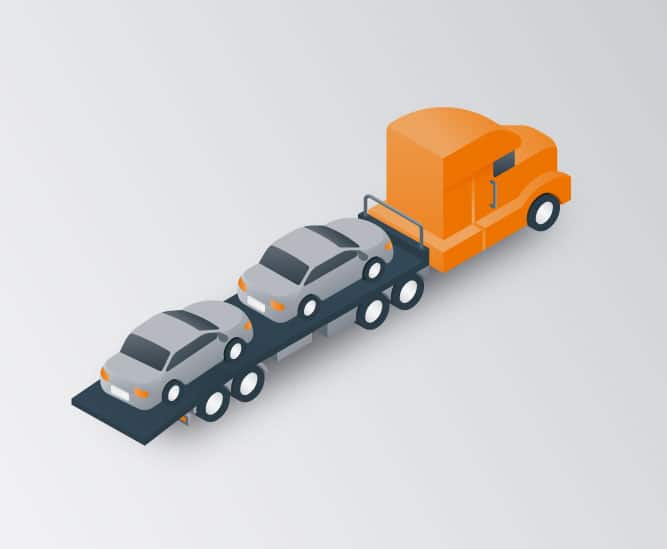
Open car shipping is a method of securely shipping vehicles using open trailers. In open car transport, vehicles are loaded onto the trailer and securely fastened in place.
While the vehicles are exposed to the elements during transit, reputable open transport car shipping providers like us take precautions to ensure the vehicles are secured and protected as much as possible. This method is commonly used for everyday vehicles such as cars, trucks, SUVs, and motorcycles.
Everyday Wheels
Choosing open auto transport is the perfect method for your every-day car. Your vehicle will be safely transported by a car hauler and secured with appropriate tie downs and straps.
Cost Effective
Open car shipping is safe, reliable and cost-effect auto transport option. Price is dependent on distance, weather, location, vehicle make and model.
Multiple VINs
Open auto transport trailers come in a variety of sizes, making it easy to transport more than one vehicle at a time. This can be a cost-effective solution for families with multiple cars or for car dealerships needing to transport inventory to different locations.
REASONS TO CHOOSE OPEN AUTO TRANSPORT
Open Car Shipping
Closed Car Shipping
Level of Protection
Moderate
High
Trailer Type
Open
Fully Enclosed
Vehicle Exposure
Exposed to air
Shielded from elements
Ideal for
Everyday Vehicles
High-value, luxurt, collector
Cost
Lower
Higher
Multiple Vehicle Transportation
Accommodates
multiple vehicles
Limited Capacity
REASONS TO CHOOSE OPEN AUTO TRANSPORT
Open Car Shipping
Closed Car Shipping
Level of Protection
Moderate
High
Trailer Type
Open
Fully Enclosed
Vehicle Exposure
Exposed to air
Shielded from elements
Ideal for
Everyday Vehicles
High-value, luxurt, collector
Cost
Lower
Higher
Multiple Vehicle Transportation
Accommodates
multiple vehicles
Limited Capacity
THE COST OF OPEN AUTO TRANSPORT
The cost of open auto transport is on the cheaper side because of the thousands of open carriers that are all over
the country. However, a lot goes into determining the cost which depends on multiple factors:
The Starting and Ending Locations
Distance plays a significant role in how much it will cost to ship your car. Going 500 miles versus 2,000 miles is a big difference in time and cost. The further your vehicle is going, the more expensive it will be.
The Time of Year
This may come as a surprise, but shipping your car in the spring and summer months will generally be more expensive than in the winter. That’s because there’s a higher demand for traveling when the weather is nice, especially since most car shows happen between spring and fall, and June, July, and August are the most popular months to move
The Route That is Taken
Large freight trucks like open-air carriers can’t drive on certain roads like parkways and city streets. Because of this, the driver may have to take a different route which could add time and fuel to the trip.
Open transport car shipping is the least expensive option for shipping your car, so you can feel confident that
you’re getting the best price available. Even so, you can get a better idea of how much it will cost to
ship your car by getting a free quote.
OPEN AUTO TRANSPORT FAQS
Multiple factors influence the cost of your transport service:
• Type of vehicle: size and weight
• Vehicle Condition: operable or inoperable – inoperable means the car does not start
• Type of trailer: open or enclosed
• Distance/mileage: amount of miles between your pickup and delivery locations
• Location: urban/metro or rural area
• Modifications: lowered, lifted, larger tires, racks on top, etc.
• Seasonal fluctuations: seasonal supply and demands change on certain routes
Yes, you or someone 18 years or older must be present at the time of pick up and delivery to sign for your vehicle.
With open transport, your vehicle is transported on an open-air trailer. Over 95% of vehicles in the
auto transport industry get transported via open trailer. It is considered very safe and used to
transport new vehicles to dealerships. With an enclosed transport, your vehicle is transported
inside of a hard-side or soft-side enclosed trailer. The vehicle is protected from any outside elements, including dust, weather, and sun exposure. Enclosed transport is more expensive due to only a small percentage of drivers having this equipment. We recommend enclosed transport for luxury, exotic, or classic cars.
Car haulers typically travel 400-500 miles per day. Because of circumstances beyond our control, such as
weather, traffic, and construction, we can only provide estimates for pickup and delivery times when
shipping a car. Depending on the distance, time of year, origin and destination it may take over 10 days to deliver certain cars. Regional and shorter trips can sometimes be done as fast as the next day. Once a
driver is assigned to your shipment, we will be able to provide a better delivery time frame.
We do not recommend shipping your car with personal belongings inside of it. Personal items inside of the vehicle may entice someone to break in, which would not be covered by our insurance. There cannot be any personal items in the vehicle that add weight to the shipment.
Most auto hauling companies prohibit the inclusion of personal items in vehicles being shipped due to three very good reasons:
• License & Insurance: It is against FMCSA regulations for carriers to transport personal possessions within a vehicle and therefore, carriers risk getting fined for transporting any personal belongings. In addition, the carrier’s insurance typically does not cover the loss or damage of personal possessions included in a vehicle being shipped.
• Weight: Auto haulers have strict limits on the weight of loaded trucks and trailers and unanticipated weight of personal items could cause their trucks to be overweight. In this situation, the carrier has to make a choice to drive overweight (risking fines and significant delays) or not take the vehicle.
• Safety: Extra weight in the car could cause damage to the undercarriage during loading and unloading. If items of perceived value are visible through the car’s windows they may attracted unwanted attention from thieves or vandals when carriers park at truck stops. In addition, no hazardous materials (e.g. explosives, flammables, poisons, compressed gases, oxidants, corrosives, etc.), firearms, ammunition, items of unusual value (e.g. cash, money, bonds, precious metals, stones, and gems), alcoholic beverages, tobacco products, drugs or medicines (either prescribed or illegal), antlers, furs, or pornographic material can be inside the vehicle during transport