

Booking your car’s transportation service is not as easy as it seems. When choosing between open vs enclosed car shipping, there are many factors that you’ll have to consider, and there is a chance that you’ll be overwhelmed by it.
You must choose the appropriate shipping method after careful consideration since both open and enclosed car shipping provide different levels of safety for your car. In this blog, we’ll help you with all the necessary information so that you can make a better-informed decision.
Why is it Important to Choose the Right Car Shipping Method?
The first thing you’d want for your car is to have its safety intact. Your vehicle isn’t merely a possession but often holds a sentimental value for you. Also, the huge difference in the cost of open vs enclosed car transport makes it inevitable to research and outweigh your options thoroughly before making your decision.
The decision between open vs. enclosed car transport affects your car’s condition, safety, and peace of mind. You’re safeguarding it from potential damage by selecting the appropriate method based on your vehicle’s type, value, and personal preferences.
The importance of this decision cannot be overstated—it is not just about the costs you incur but about the essence of your vehicle and its value, making every mile of its journey a worry-free experience for you. So make sure you choose the right method for your car shipping.
Open vs. Enclosed Auto Transport
By now, we know that the decision between open vs. closed car shipping is important for your car. Each method has various advantages and disadvantages that impact your vehicle’s journey.
Open shipping offers affordability and convenience, while enclosed shipping prioritizes protection and security.
At ACERTUS, we help you decide the right method to choose for the shipment of your car. If the question of shipping your car across the country is bothering you, let us take care of it with our expert services.
Before we go into understanding more about the benefits and costs of each, let’s first understand the fundamental concept of open and enclosed car transport.
What is Open Car Shipping?
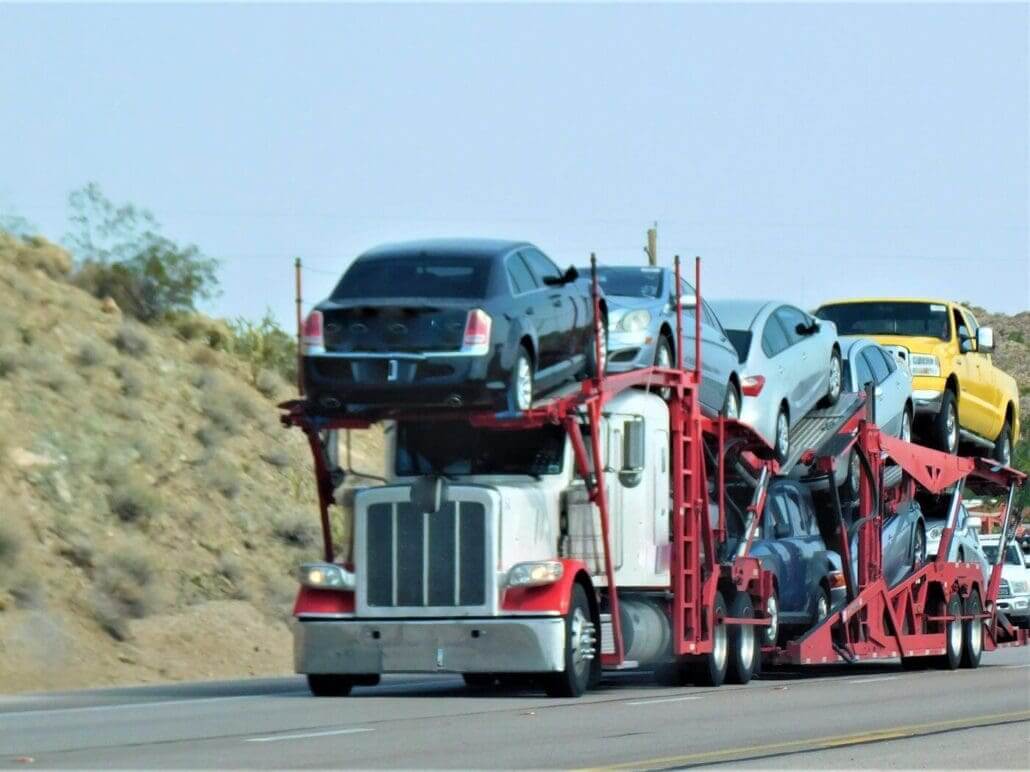
Open car shipping involves transporting vehicles on an open carrier, making it a popular and cost-effective choice. In this method, multiple vehicles are usually loaded together on an open carrier. As the name suggests, given it’s open, vehicles are exposed to various weather conditions and road elements during transit.
This method is well-suited for common vehicles and shorter distances, offering convenience and quicker booking times. While it’s a budget-friendly option, it’s important to consider the potential wear and tear due to exposure to the outer elements.
What is Enclosed Car Shipping?
Enclosed car shipping is a method of shipping your car from one place to another in an enclosed carrier. Enclosed car shipping is used when you have a premium car, weather conditions are harsh, or the distance is too long and you don’t want to take a chance.
Since vehicles are transported in an enclosed carrier, it helps shield and protect your car from external elements like dust and dirt, road debris, rain, snow or hail damage. If you have a luxury, high-value, classic, collectible car, then this is the option you should go ahead with.
Given its high security, enclosed car shipping comes at a higher cost.
Pros and Cons of Open Car Shipping
Let’s dive deeper into understanding it so that you can make a better-informed decision for your next car shipment.
Pros
Cost-Effectiveness
Open car shipping is notably more budget-friendly than enclosed shipping. This affordability is particularly appealing if you’re looking to transport your vehicle without specific demands.
Availability
Open carriers are more common and widely used in the industry. So if you go and book an open carrier for your car shipment on short notice, there’s a chance you’d not be disappointed and get your booking.
Cons
Exposure to Elements
One of the primary drawbacks of open car shipping is the exposure to various external elements during transit. During the transit, your vehicle will be affected by weather conditions like rain, snow, hailstorms, and road debris.
Aesthetic Concerns
If you have a high-end or vintage vehicle, the exposure during open shipping might raise concerns about potential damage to the vehicle’s exterior.
Security Concerns
While theft during transit is rare, there’s a slightly higher risk associated with open shipping due to the exposure of vehicles.
Open car shipping offers an economical and efficient means of transporting your vehicle, particularly when it’s a standard vehicle being shipped in a relatively short distance.
However, the exposure to the elements and potential wear and tear should be carefully weighed against the cost savings. Before opting for open car shipping, you should assess your vehicle’s value, condition, and risk tolerance.
Pros and Cons of Enclosed Car Shipping:
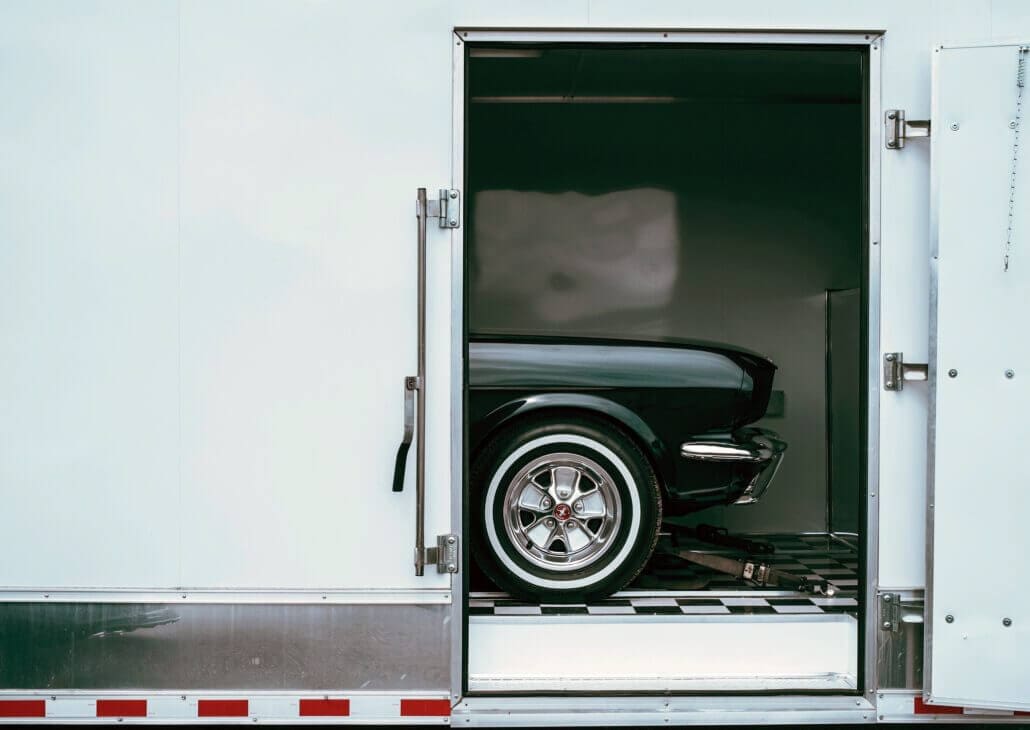
When transporting your vehicle, enclosed car shipping offers premium protection and care. However, like any option, it comes with its advantages and disadvantages that you should consider. Here’s an in-depth look at the pros and cons of enclosed car shipping to help you make an informed decision.
Pros
Maximum Protection
Enclosed car shipping provides the highest level of protection for your vehicle. Your car is shielded from weather elements, road debris, and potential hazards, ensuring it arrives in the same condition it was loaded.
Specialized Transport
This method is ideal for luxury, high-value, classic, and collectibles. It caters to those who prioritize maintaining their vehicle’s pristine condition.
Climate Control
Some enclosed carriers offer climate-controlled environments, which can be crucial for transporting a vehicle sensitive to temperature fluctuations.
Reduced Risk of Damage
With the added protection of an enclosed carrier, the risk of minor wear and tear during transit is significantly minimized.
Added Security
Enclosed carriers provide an additional layer of security against potential theft and tampering during transit.
Cons:
Higher Cost
One of the most significant drawbacks of enclosed car shipping is the higher cost compared to open shipping. The enhanced protection and specialized service come with a higher cost.
Limited Availability
Enclosed carriers are less common in comparison to open carriers. This might result in longer booking lead times, especially during peak seasons.
Longer duration
Due to the complexity of loading and unloading the car in the enclosed carrier setting, it is possible that your overall shipping time is extended by a day or two.
In summary, enclosed car shipping is preferred for those who value maximum protection and transport high-value or delicate vehicles.
The premium cost justifies the heightened security, climate control options, and reduced risk of damage. However, the decision to opt for enclosed shipping should be influenced by factors such as your vehicle’s value, the significance of its condition, and your budget.
ACERTUS offers top-tier enclosed shipping services, ensuring your vehicle receives the utmost care and protection during its journey. If your vehicle holds substantial value or sentimental significance, the benefits of enclosed car shipping outweigh the drawbacks.
Let’s understand the primary difference between open and enclosed car shipping.
Some Key Differences between Open Car Shipping and Enclosed Car Shipping
If you’re in a hurry and want a crisp and clear comparison while making a decision, below are the important points of difference between open vs. enclosed car shipping that should help you understand it quickly.
| Open Car Shipping | Enclosed Car Shipping | |
| Cost | Lower Cost – Cheap and cost-effective option | Higher cost – Expensive option |
| Protection | Provides limited protection and is prone to bad weather conditions | Provides the highest level of protection shielding from weather conditions |
| Convenience | Easier to load and unload – increasing the convenience of the method | Takes longer and precise efforts in loading and unloading – decreasing the convenience |
| Availability | Easily available due to the simplicity of the process | Requires much-advanced planning due to the complex process |
| Capacity | Usually has more capacity to carry vehicles at a single time | Has limited capacity to carry vehicles at a single time |
Car Transport Open vs Enclosed. What is Better?
When choosing between open and enclosed car shipping, several crucial factors come into play. Making an informed decision requires careful consideration of your vehicle’s characteristics, external influences, and priorities. Let’s explore the key factors that should influence your choice.
Car Size and Dimensions
The size and dimensions of your vehicle play a significant role in determining the most suitable shipping method.
Due to space limitations, larger or custom vehicles might face challenges with open shipping. Enclosed carriers, on the other hand, are better equipped to handle vehicles with unique dimensions, ensuring a secure fit and safe transport.
Car Weight and Value
The weight and value of your vehicle are vital considerations. Higher-value or delicate vehicles are best suited for enclosed shipping, where the enhanced protection safeguards their condition.
Additionally, heavier vehicles might require specialized transport considerations such as protection from dust, road debris, and rain which enclosed shipping can provide.
Market Trends
Staying informed about current market trends in the car shipping industry can impact your decision. Factors such as demand and seasonal fluctuations can affect availability and pricing. Open carriers might fill up quickly during peak seasons, making planning necessary.
Weather Conditions
Weather conditions along the shipping route are a significant external influence. While transporting valuable and delicate vehicles, enclosed shipping helps protect your vehicle from snow, hail, rain, and other weather conditions.
While open car shipping provides a cost-effective solution for standard vehicles and shorter distances, enclosed shipping can be your go-to method for if you’re seeking protection for your high-value, luxury, or premium vehicle.
However, you must evaluate your vehicle’s dimensions, weight, value, market trends, and weather conditions while making a decision. This helps you ensure the safe and secure journey of your vehicle.
Cost Comparison
When it comes to car shipping, cost is a significant factor that influences the decision of open vs enclosed car shipping. Open and enclosed car shipping methods come with different price points, and understanding the cost implications of each option is essential.
Below is the approximate cost comparison of open vs enclosed car shipping.
| Distance (in miles) | Open Car Shipping Cost | Enclosed Car Shipping Cost |
| 0-100 | $236 | $400-$600 |
| 101-300 | $465 | $700-$1000 |
| 301-500 | $632 | $1200-$1500 |
| 501-800 | $912 | $1500 – $1700 |
| 801+ | $1,256 | $1700-$2000 |
There are also other factors that affect the cost of open vs enclosed car shipping. Let’s understand them quickly.
Factors Affecting the Cost of Open vs Enclosed Car Transport:
Several variables can impact the cost of both open and enclosed car shipping:
Distance
Longer distances generally result in higher shipping costs due to fuel, labor, and operational expenses.
Vehicle Type and Size
The dimensions, weight, and type of vehicle being transported can influence the cost. Larger or heavier vehicles might incur higher fees since it occupy more space and require more effort in loading and unloading.
Additional Services
Expedited shipping, door-to-door delivery, and insurance coverage are extra services that can contribute to the overall cost.
Seasonal Fluctuations
Demand for car shipping can vary by season, affecting pricing. Peak seasons might see higher prices due to increased demand.
How to Decide
Still not sure between the two? If you haven’t already decided, you might want to go with enclosed. Being on the fence for a decision like this probably means you have a valuable car. If you’re worried about dirt or debris hitting your vehicle, open air trailers are most likely not for your vehicle. Although a little dirt or rain won’t hurt your vehicle, some vehicles have a sensitive coat of paint that could potentially be damaged during long distance transits. If you want to simply go with open air trailers, try a car cover. They help protect vehicles against dirt and rain during transport. Visit CarCover.com to browse for awesome car covers.
Conclusion
Understanding the difference between open vs enclosed car shipping is essential for making informed decisions when transporting your vehicle. While open car shipping offers cost-effectiveness and efficiency, it exposes your vehicle to potential weather and road debris.
On the other hand, enclosed car shipping provides an extra layer of protection against external elements, making it ideal for luxury or classic vehicles, albeit at a higher cost. Your choice ultimately hinges on factors like budget, the value of your vehicle, and your risk tolerance.
By weighing the advantages and drawbacks of each option, you can confidently select the car shipping method that aligns with your needs and ensures a smooth journey for your prized vehicle.
Are you considering relocating to another state? Here are some key steps to take into consideration to make sure your relocation goes smoothly.
How To Relocate To Another State? A Checklist for Moving Out of State
Many people get excited at the prospect of moving to a new state, but it can also be accompanied by apprehension and fear of the unknown. Each state has rules, customs, and features that make moving slightly more complex. We understand that relocating to another state can be overwhelming, so we’ve compiled a list of some important things you may overlook.
Additionally, we’ll provide helpful tips on relocating to another state without spending too much money. The first step to ensuring a successful move is staying organized and having a plan. Therefore, we’ve organized this guide into different sections so that you can easily find what you’re looking for.
Research Your New City
Before you start packing your bags, it’s important to do some research on your new city. This includes finding out things like the cost of living, what the job market looks like, and what kind of lifestyle you can expect.
There are several ways to research a new city:
Look up information online
Nowadays, you can find out about anything online. A good place to start is by checking out the city’s website. This can give you an overview of what the city has to offer. You can also do a general search on Google or social media to get a feel for what people say about the city.
Check out blog posts and articles
Another great way to learn about a new city is to read blog posts and articles written by people who live there. This can give you some insight into what it’s like to live in the city. You can also learn about the best places to eat and drink, what to do for fun, and where to shop.
Talk to people who live there
One of the best ways to learn about a new city is to talk to people who already live there. This can give you first-hand information about what it’s like to live in the city. You can also learn about the best places to eat and drink, what to do for fun, and where to shop.
Check the Cost of Living Differences
Once you’ve researched and decided on a new city, it’s important to check the differences in the cost of living. Make sure you know how much things will cost in your new city, from rent and groceries to transportation and entertainment. It’s also important to research the average salaries in your new city to ensure you’ll be able to afford the cost of living. The best way to find out how much things cost in a new city is to use a cost of living calculator.
To compare the cost of living in your current city to another city, enter your city’s name in the “Current City” field and the city you’re moving to in the “New City” field. The calculator will then show you how much more or less you can expect to spend in each category. If, for example, you’re moving from New York City to Los Angeles, you’ll see that the cost of living is about 33% cheaper in LA.
Update the Necessary Paperwork and Record
One of the most important things to do when moving to a new state is to update your paperwork and records. This includes things like your driver’s license, registration, and insurance. You’ll also need to update the address on your passport, social security card, and bank records. Additionally, you’ll need to update their paperwork if you have any pets. All this information is important because it will ensure everything is in order when you move.
Records like your driver’s license, registration, and insurance should be updated as soon as possible. This is because you don’t want there to be any confusion when you’re driving in your new state. Additionally, updating your passport and social security card is important if you travel back to your old state. And finally, updating your bank records is crucial so that you don’t have any issues with your finances when you move.
Your voter registration should also be updated when you move to a new state. This is important because it will ensure you can vote in the next election. You can update your voter registration by contacting your local election office.
Budget for Moving and Living Expenses
Moving to a new city can be expensive. You’ll need to pay for many things, from moving costs to setting up your new home. That’s why it’s important to budget for your move. Make sure you have enough money saved up to cover all the expenses associated with moving. This includes renting a moving truck, hiring movers, and paying for gas. Additionally, you’ll need to budget for things like setting up your new utilities and buying furniture.
The cost of living in your new city will also be a factor in your budget. As mentioned before, it’s important to research the cost of living in your new city to ensure you can afford it. Once you know how much things will cost, you can start to save up accordingly. Ensure you have enough money saved so that you can comfortably afford your new lifestyle.
Find a Home
If you’re planning to buy a home in your new city, start your search as soon as possible. House hunting can be long and difficult, especially in highly competitive housing markets. It’s not unusual for buyers to look at dozens of homes before finding the perfect one. If you’re renting, start your search for a new place about two months before your move. Again, depending on the city you’re moving to, the rental market may be very competitive. If you can visit your new city a few weeks before your move to look for a place in person.
Consider the following when choosing a home:
Location
Think about the commute to work, the schools in the area, and the proximity to family and friends. You must decide whether to live in the city or the suburbs. The location will also affect the home’s price because homes closer to the city are usually more expensive than homes in the suburb.
Size of the home
How much space do you need? If you have a lot of furniture or plan to start a family, you must ensure the home can accommodate your needs. The bigger the house, the more expensive it will be.
Amenities
What kind of amenities are you looking for? A swimming pool, a backyard, or a garage? Again, the more amenities a home has, the more expensive it will be. There are some amenities that you should never compromise, like safety. For example, if you have young children, you might want to look for a home in a gated community.
Price
Think about your needs and budget when choosing a home. If you’re relocating for a job, your employer might provide you with a housing allowance that you can use to help cover the cost of your new home. If you’re buying a home, you’ll need to factor in the cost of the down payment, closing costs, and repairs or renovations.
Proximity to family and friends
One of the hardest things about relocating is leaving your loved ones behind. If you have young children, you might choose a home closer to your parents or grandparents. If you’re single, you might want to choose a neighborhood with lots of young people.
Whatever situation you are in, there is a perfect home for you. Just be patient in your search, and don’t settle for anything less than what you want. Houses can be found in several ways. You can look online, in real estate listings, or ask friends and family for recommendations.

Research Employer Relocation Assistance
If you’re relocating for a job, your employer might offer Employee Relocation assistance. This can be a great help in offsetting the cost of your move. Employer-provided relocation assistance typically covers things like moving expenses and housing allowances. Some employers will even help with the costs of selling your current home and buying a new one. Be sure to ask about relocation assistance when negotiating your job offer. If it’s not offered automatically, it’s always worth asking for. Employers are often open to relocation assistance if it means getting the right candidate for the job.
Research for Relocation Companies
When planning to relocate to another state, it is important to research and find a reputable company that can help you with your move. While trying to do everything yourself may be tempting, there are many benefits to using a professional Auto Relocation company. They can help you with everything from packing and moving your belongings to finding a new place to live. Consider the following if you want the best relocation company:
Experience
A good relocation company will have a team of experienced professionals who have helped people move before. They will know how to properly pack and transport your belongings so that they arrive at your new home safe and sound.
Services
Most relocation companies offer various services to help make your move easier. This can include packing, unpacking, and finding a new living place. Make sure you understand what services are included in your move’s price before choosing a company.
Reputation
Take the time to read online reviews of different relocation companies. This will help you narrow down your options and find a company that has a good reputation. You can also ask your friends and family for recommendations.
Cost
Get quotes from different relocation companies before you make your final decision. This will help ensure you get the best price for your move.
Insurance
Make sure the relocation company you choose is insured in case something goes wrong during the move. This will protect you financially if anything happens to your belongings.
By taking the time to research different relocation companies, you can be sure that you are choosing the best option for your move. This will help to make the process as stress-free as possible.
Pick a Reputable Interstate Relocation Company
An interstate relocation company differs from a local moving company because they are experienced in handling long-distance moves. They will have a team of professional movers who are familiar with the ins and outs of moving to another state. This can be a great help when figuring out how to relocate to another state.
Ensure that the interstate relocation company you choose is reputable by doing your research. Read online reviews and ask your friends and family for recommendations. You should also ensure that the company is insured if anything goes wrong during the move.
Have a Plan for Making Social Connections in Your New City
Relocating to a new city can be both exciting and scary. On the one hand, you get to start fresh in a new place with new people. But on the other hand, you must leave your current social support system behind. Having a plan for making social connections in your new city is important, so you don’t feel isolated and alone.
Join local groups
One of the best ways to make social connections in a new city is to join local groups and organizations that align with your interests. This can be anything from a book club to a hiking group to a political organization. Not only will you be able to meet new people, but you’ll also have something in common with them from the start.
Volunteer
Another great way to make social connections is to volunteer. Not only will you be doing good for your new community, but you’ll also be meeting people who care about similar things that you do. And, as a bonus, volunteering can help you to feel more connected to your new city.
Attend local events
Another great way to meet new people in your new city is to attend local events. This could be anything from a concert, a farmers market, or a community festival. Not only will you be able to enjoy the event, but you’ll also have a chance to meet new people who live in your area.
Get involved in your workplace
If you’re lucky enough to have a job in your new city, take advantage of that. Getting involved in your workplace can be a great way to meet new people and feel more connected to your new community.
Conclusion – Relocate to another state
Moving to a new state can be both exciting and daunting. But by following these tips, you can be sure that you are prepared for the move. From researching different relocation companies to making a plan for social connections in your new city, these tips will help to make the transition as smooth as possible. So, what are you waiting for? Start planning your move today so you can enjoy your new life in no time. Contact us today to sort out your auto relocation arrangements and find out why we’re considered an industry leader!
Faqs
1. How do I relocate to another state?
You need to do a few things to relocate to another state successfully. First, you must research the area you are moving to and ensure it is a good fit. Once you have found the perfect location, you need to start packing your belongings and shipping them to your new home. Finally, you must change your address with the post office and update your driver’s license.
2. How much does it cost to relocate to another state?
The cost of relocating to another state will vary depending on some factors, including the distance you are moving and the number of belongings you need to move with you. In general, however, you can expect to spend several thousand dollars on the entire process.
3. How long does it take to relocate to another state?
The timeframe for relocating to another state will depend on a few factors, such as the distance you are moving, your household size, and whether you are hiring professional movers. It takes about two to three weeks to complete a long-distance move. This includes packing, renting a moving truck, shipping your belongings, and then unpacking and settling into your new home.
4. How to prepare to relocate to another state?
Ensure that you have a place to stay lined up before you move. This could be with family or friends, a rental property, or a hotel. You should also make sure that you have all of your important documents in order, such as your driver’s license, social security card, and birth certificate. Finally, start packing your belongings well in advance so that you are not rushed when moving.