
Booking your car’s transportation service is not as easy as it seems. When choosing between open vs enclosed car shipping, there are many factors that you’ll have to consider, and there is a chance that you’ll be overwhelmed by it.
You must choose the appropriate shipping method after careful consideration since both open and enclosed car shipping provide different levels of safety for your car. In this blog, we’ll help you with all the necessary information so that you can make a better-informed decision.
Why is it Important to Choose the Right Car Shipping Method?
The first thing you’d want for your car is to have its safety intact. Your vehicle isn’t merely a possession but often holds a sentimental value for you. Also, the huge difference in the cost of open vs enclosed car transport makes it inevitable to research and outweigh your options thoroughly before making your decision.
The decision between open vs. enclosed car transport affects your car’s condition, safety, and peace of mind. You’re safeguarding it from potential damage by selecting the appropriate method based on your vehicle’s type, value, and personal preferences.
The importance of this decision cannot be overstated—it is not just about the costs you incur but about the essence of your vehicle and its value, making every mile of its journey a worry-free experience for you. So make sure you choose the right method for your car shipping.
Open vs. Enclosed Auto Transport
By now, we know that the decision between open vs. closed car shipping is important for your car. Each method has various advantages and disadvantages that impact your vehicle’s journey.
Open shipping offers affordability and convenience, while enclosed shipping prioritizes protection and security.
At ACERTUS, we help you decide the right method to choose for the shipment of your car. If the question of shipping your car across the country is bothering you, let us take care of it with our expert services.
Before we go into understanding more about the benefits and costs of each, let’s first understand the fundamental concept of open and enclosed car transport.
What is Open Car Shipping?
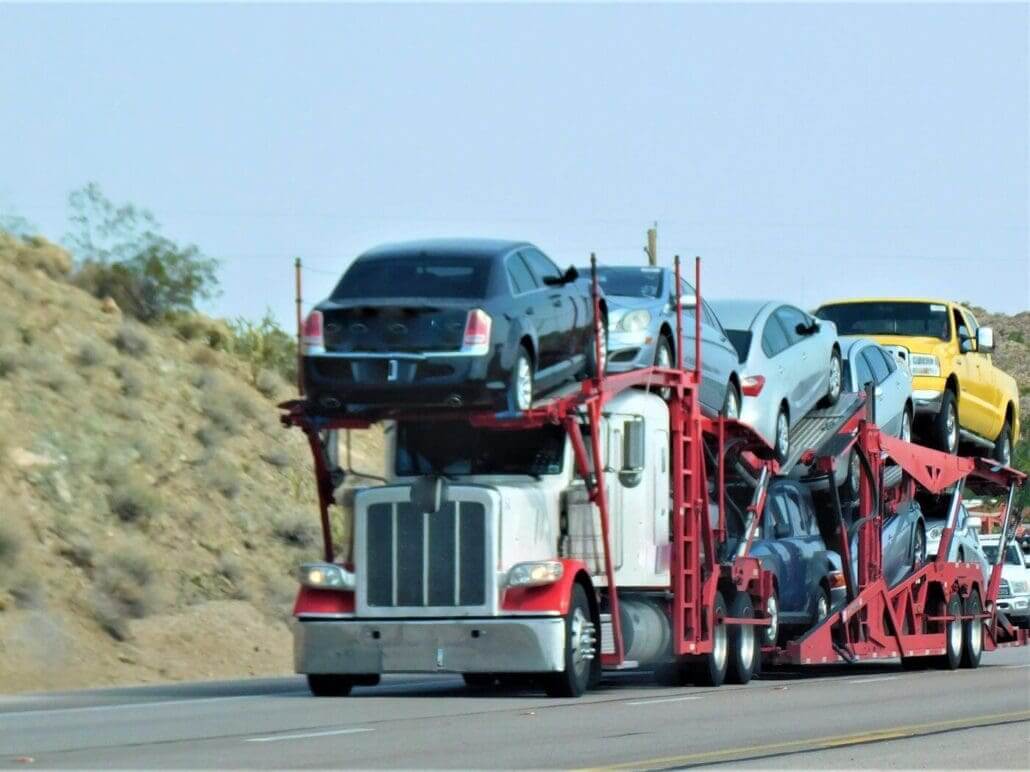
Open car shipping involves transporting vehicles on an open carrier, making it a popular and cost-effective choice. In this method, multiple vehicles are usually loaded together on an open carrier. As the name suggests, given it’s open, vehicles are exposed to various weather conditions and road elements during transit.
This method is well-suited for common vehicles and shorter distances, offering convenience and quicker booking times. While it’s a budget-friendly option, it’s important to consider the potential wear and tear due to exposure to the outer elements.
What is Enclosed Car Shipping?
Enclosed car shipping is a method of shipping your car from one place to another in an enclosed carrier. Enclosed car shipping is used when you have a premium car, weather conditions are harsh, or the distance is too long and you don’t want to take a chance.
Since vehicles are transported in an enclosed carrier, it helps shield and protect your car from external elements like dust and dirt, road debris, rain, snow or hail damage. If you have a luxury, high-value, classic, collectible car, then this is the option you should go ahead with.
Given its high security, enclosed car shipping comes at a higher cost.
Pros and Cons of Open Car Shipping
Let’s dive deeper into understanding it so that you can make a better-informed decision for your next car shipment.
Pros
Cost-Effectiveness
Open car shipping is notably more budget-friendly than enclosed shipping. This affordability is particularly appealing if you’re looking to transport your vehicle without specific demands.
Availability
Open carriers are more common and widely used in the industry. So if you go and book an open carrier for your car shipment on short notice, there’s a chance you’d not be disappointed and get your booking.
Cons
Exposure to Elements
One of the primary drawbacks of open car shipping is the exposure to various external elements during transit. During the transit, your vehicle will be affected by weather conditions like rain, snow, hailstorms, and road debris.
Aesthetic Concerns
If you have a high-end or vintage vehicle, the exposure during open shipping might raise concerns about potential damage to the vehicle’s exterior.
Security Concerns
While theft during transit is rare, there’s a slightly higher risk associated with open shipping due to the exposure of vehicles.
Open car shipping offers an economical and efficient means of transporting your vehicle, particularly when it’s a standard vehicle being shipped in a relatively short distance.
However, the exposure to the elements and potential wear and tear should be carefully weighed against the cost savings. Before opting for open car shipping, you should assess your vehicle’s value, condition, and risk tolerance.
Pros and Cons of Enclosed Car Shipping:
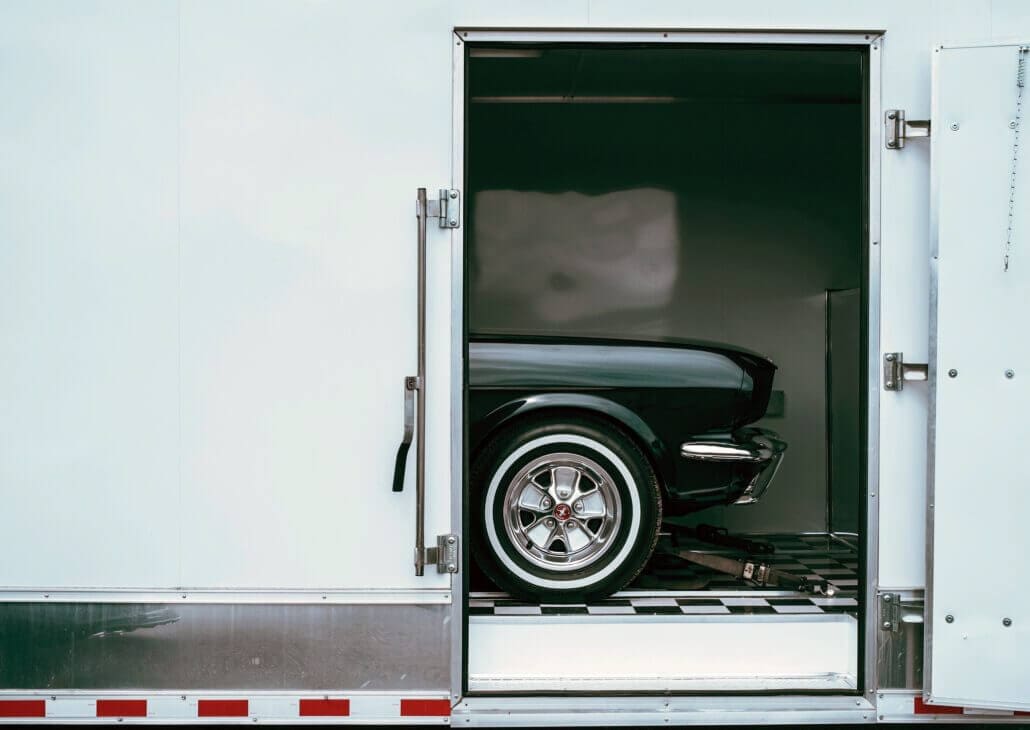
When transporting your vehicle, enclosed car shipping offers premium protection and care. However, like any option, it comes with its advantages and disadvantages that you should consider. Here’s an in-depth look at the pros and cons of enclosed car shipping to help you make an informed decision.
Pros
Maximum Protection
Enclosed car shipping provides the highest level of protection for your vehicle. Your car is shielded from weather elements, road debris, and potential hazards, ensuring it arrives in the same condition it was loaded.
Specialized Transport
This method is ideal for luxury, high-value, classic, and collectibles. It caters to those who prioritize maintaining their vehicle’s pristine condition.
Climate Control
Some enclosed carriers offer climate-controlled environments, which can be crucial for transporting a vehicle sensitive to temperature fluctuations.
Reduced Risk of Damage
With the added protection of an enclosed carrier, the risk of minor wear and tear during transit is significantly minimized.
Added Security
Enclosed carriers provide an additional layer of security against potential theft and tampering during transit.
Cons:
Higher Cost
One of the most significant drawbacks of enclosed car shipping is the higher cost compared to open shipping. The enhanced protection and specialized service come with a higher cost.
Limited Availability
Enclosed carriers are less common in comparison to open carriers. This might result in longer booking lead times, especially during peak seasons.
Longer duration
Due to the complexity of loading and unloading the car in the enclosed carrier setting, it is possible that your overall shipping time is extended by a day or two.
In summary, enclosed car shipping is preferred for those who value maximum protection and transport high-value or delicate vehicles.
The premium cost justifies the heightened security, climate control options, and reduced risk of damage. However, the decision to opt for enclosed shipping should be influenced by factors such as your vehicle’s value, the significance of its condition, and your budget.
ACERTUS offers top-tier enclosed shipping services, ensuring your vehicle receives the utmost care and protection during its journey. If your vehicle holds substantial value or sentimental significance, the benefits of enclosed car shipping outweigh the drawbacks.
Let’s understand the primary difference between open and enclosed car shipping.
Some Key Differences between Open Car Shipping and Enclosed Car Shipping
If you’re in a hurry and want a crisp and clear comparison while making a decision, below are the important points of difference between open vs. enclosed car shipping that should help you understand it quickly.
| Open Car Shipping | Enclosed Car Shipping | |
| Cost | Lower Cost – Cheap and cost-effective option | Higher cost – Expensive option |
| Protection | Provides limited protection and is prone to bad weather conditions | Provides the highest level of protection shielding from weather conditions |
| Convenience | Easier to load and unload – increasing the convenience of the method | Takes longer and precise efforts in loading and unloading – decreasing the convenience |
| Availability | Easily available due to the simplicity of the process | Requires much-advanced planning due to the complex process |
| Capacity | Usually has more capacity to carry vehicles at a single time | Has limited capacity to carry vehicles at a single time |
Car Transport Open vs Enclosed. What is Better?
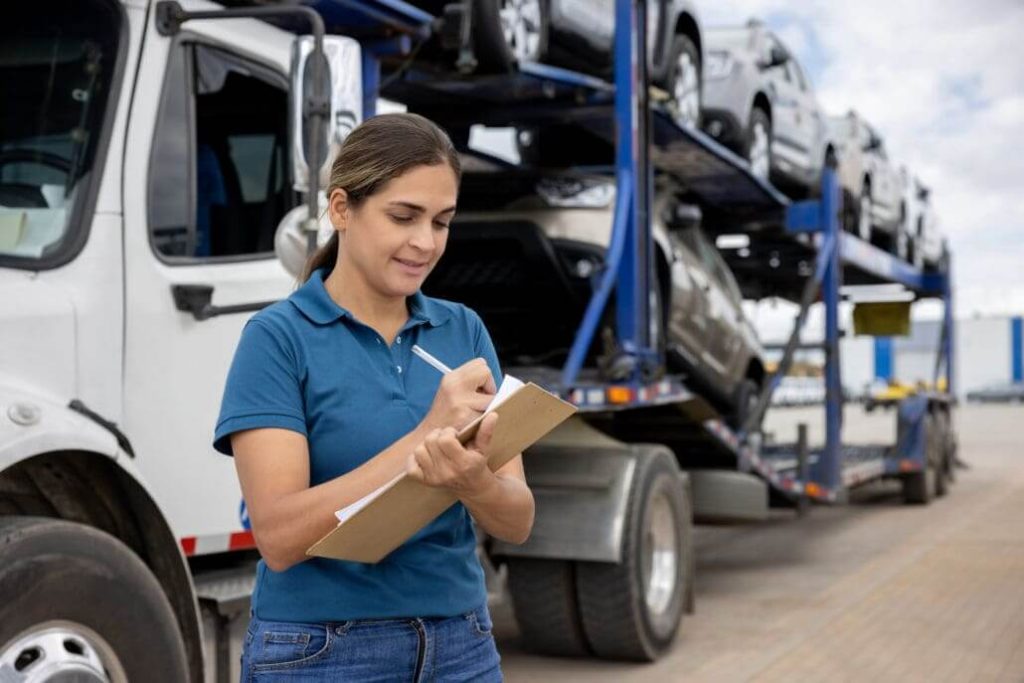
When choosing between open and enclosed car shipping, several crucial factors come into play. Making an informed decision requires careful consideration of your vehicle’s characteristics, external influences, and priorities. Let’s explore the key factors that should influence your choice.
Car Size and Dimensions
The size and dimensions of your vehicle play a significant role in determining the most suitable shipping method.
Due to space limitations, larger or custom vehicles might face challenges with open shipping. Enclosed carriers, on the other hand, are better equipped to handle vehicles with unique dimensions, ensuring a secure fit and safe transport.
Car Weight and Value
The weight and value of your vehicle are vital considerations. Higher-value or delicate vehicles are best suited for enclosed shipping, where the enhanced protection safeguards their condition.
Additionally, heavier vehicles might require specialized transport considerations such as protection from dust, road debris, and rain which enclosed shipping can provide.
Market Trends
Staying informed about current market trends in the car shipping industry can impact your decision. Factors such as demand and seasonal fluctuations can affect availability and pricing. Open carriers might fill up quickly during peak seasons, making planning necessary.
Weather Conditions
Weather conditions along the shipping route are a significant external influence. While transporting valuable and delicate vehicles, enclosed shipping helps protect your vehicle from snow, hail, rain, and other weather conditions.
While open car shipping provides a cost-effective solution for standard vehicles and shorter distances, enclosed shipping can be your go-to method for if you’re seeking protection for your high-value, luxury, or premium vehicle.
However, you must evaluate your vehicle’s dimensions, weight, value, market trends, and weather conditions while making a decision. This helps you ensure the safe and secure journey of your vehicle.
Cost Comparison
When it comes to car shipping, cost is a significant factor that influences the decision of open vs enclosed car shipping. Open and enclosed car shipping methods come with different price points, and understanding the cost implications of each option is essential.
Below is the approximate cost comparison of open vs enclosed car shipping.
| Distance (in miles) | Open Car Shipping Cost | Enclosed Car Shipping Cost |
| 0-100 | $236 | $400-$600 |
| 101-300 | $465 | $700-$1000 |
| 301-500 | $632 | $1200-$1500 |
| 501-800 | $912 | $1500 – $1700 |
| 801+ | $1,256 | $1700-$2000 |
There are also other factors that affect the cost of open vs enclosed car shipping. Let’s understand them quickly.
Factors Affecting the Cost of Open vs Enclosed Car Transport:
Several variables can impact the cost of both open and enclosed car shipping:
Distance
Longer distances generally result in higher shipping costs due to fuel, labor, and operational expenses.
Vehicle Type and Size
The dimensions, weight, and type of vehicle being transported can influence the cost. Larger or heavier vehicles might incur higher fees since it occupy more space and require more effort in loading and unloading.
Additional Services
Expedited shipping, door-to-door delivery, and insurance coverage are extra services that can contribute to the overall cost.
Seasonal Fluctuations
Demand for car shipping can vary by season, affecting pricing. Peak seasons might see higher prices due to increased demand.
How to Decide
Still not sure between the two? If you haven’t already decided, you might want to go with enclosed. Being on the fence for a decision like this probably means you have a valuable car. If you’re worried about dirt or debris hitting your vehicle, open air trailers are most likely not for your vehicle. Although a little dirt or rain won’t hurt your vehicle, some vehicles have a sensitive coat of paint that could potentially be damaged during long distance transits. If you want to simply go with open air trailers, try a car cover. They help protect vehicles against dirt and rain during transport. Visit CarCover.com to browse for awesome car covers.
Conclusion
Understanding the difference between open vs enclosed car shipping is essential for making informed decisions when transporting your vehicle. While open car shipping offers cost-effectiveness and efficiency, it exposes your vehicle to potential weather and road debris.
On the other hand, enclosed car shipping provides an extra layer of protection against external elements, making it ideal for luxury or classic vehicles, albeit at a higher cost. Your choice ultimately hinges on factors like budget, the value of your vehicle, and your risk tolerance.
By weighing the advantages and drawbacks of each option, you can confidently select the car shipping method that aligns with your needs and ensures a smooth journey for your prized vehicle.
Are you considering moving out of state? Learn about the cost to move out of state and the various factors that influence the cost.
The cost of moving to another state can vary, depending on several factors. In general, moving to another state will run you somewhere between $750 to several thousand dollars depending on where you are moving, how you are getting your belongings to your destination, how you are moving your cars, and several other factors.
In this guide, we’ll help you figure out the cost of moving to another state with an easy-to-read table, so you can pick up the expenses you need from the list and add them together to get your total. We will also be answering a few questions about moving out of state, such as how to ship your car, the cost factors involved, and some sample costs to move across different states, to give you an idea of what it’s going to cost you to make your move.
Free Auto Shipping Quotes!
Click here to get an estimate for your move!
Average Cost of Moving to Another State
Whether you got an employee relocation package with your company, or you’ve just landed a job in another state if you were wondering, “What does moving out of state move cost?” this should answer that question for you. Several factors can influence the cost of moving to another state, including the size of your shipment, what you’re taking with you, and the distance, among others.
However, the average cost of moving to another state ranges from $2,500 to $6,500. Long-distance relocations can cost between $1,000 and $9,200, depending on the distance and size of the move, and short, local moves can cost between $700 and $3,000.
How to Calculate Moving Costs?
Some essential factors can come into play that will affect your moving costs. For the most part, write everything down on a list, and then once you’ve got everything figured in, add it up to get your total.
Cost Factors for an Out-of-State Move
Here are the most important factors to consider:
Packing Supplies
Boxes of various sizes, plastic bins, shipping tape, duct tape or strapping tape, masking tape for labeling, scissors, box cutters, stickers or labels, permanent sharpie markers for labeling, colored markers for color coding your rooms, etc. You also may want to consider bubble wrap, packing paper, hand truck or dollies, gloves, rope, twine, tie-downs, and bungee cords. Felt pads protect your new floors while moving large furniture into your new home.
Distance Traveling
Moving costs increase with distance. (see chart below)
Auto Shipping
Auto-shipping is not offered by all movers, and it will cost you more. It can take a week or longer to ship your car from one coast to the other. Due to our connection to an international network of over 35,000 transporters, ACERTUS can get you the best rates on auto shipping.
Vehicle Driver
Hiring a moving company’s driver will cost extra.
Days of Vehicle Usage
The amount of time that you need your rental truck should be considered in the cost.
Packing Services
Moving companies can pack and move your belongings for an additional fee.
Moving Services
Choosing a full-service moving company can save you time and money.
Liability Insurance
Liability insurance provided by your moving company will cover you in full or in part. To be sure, ask them about how your belongings are insured and compare prices and rates from outside coverage providers.
Temporary Storage
It is not uncommon for people to temporarily store some or all of their belongings during a move. Temporary storage should always be located close to your new home, so you will be more likely to go pick it up.
Seasonal Rates
Moving during the weekend or the peak season will cost more. You can save money by moving during the week, preferably off-season in Autumn, Winter, and Early Spring.
Number of Rooms
A moving company’s quote is typically calculated based on the number of rooms being moved. Weight increases with the size of the load. Costs may increase as a result.
Additional Moving Costs and Fees to Consider
Here are some additional factors that may affect your cost:
Debris Removal
For an additional fee, some movers can remove discarded packing supplies after a move.
Elevators and Stairs
Moving companies will usually charge flat fees for homes that require elevator access or require moving your belongings upstairs.
Long Carry and Shuttle Charges
For homes that are difficult to access with large moving trucks and trailers, long carry and shuttle surcharges may apply.
Additional Services
Pet relocation assistance, handyman services, appliance installation, and temporary housing assistance are services that many moving companies can coordinate for an additional fee.
Bulky Item Surcharges
Bulky items are often charged extra by full-service movers. There is a wide range of equipment in this category, including pianos, pool tables, hot tubs, and exercise machines.
How Much Do Movers Cost?
Depending on the size of your home, out-of-state professional movers will charge between $1000 and $9200. There may be additional costs for special or fragile items, but the chart below provides an idea of what you can expect to pay if you hire movers:
Movers Costs Chart:
| Distance | 1 Bedroom | 2 – 3 Bedroom | 4 – 5 Bedroom |
| 100 Miles | $1000 – $1500 | $1250 – $1700 | $1500 – $3400 |
| 250 Miles | $1200 – $2000 | $1,400 – $4,400 | $3,200 – $6,200 |
| 1000 Miles | $1400 – $2900 | $2,100 – $5,100 | $5,700 – $8,700 |
| 2000 Miles | $1800 – $3700 | $2,400 – $5,400 | $6,200 – $9,200 |
Sample Costs for Interstate Moves
Often, the largest states have the most moves each year. States such as Florida, Texas, California, and New York generally have the highest moves in and out of state. But no matter where you’re moving to or from, we’ve got a few examples below of the cost to move to different states, just to give you an idea of the distance the people are traveling and the amount that is costing them, so you can relate that to your move!
Here are some sample costs for interstate moves: (based on the cost of moving a 2-bedroom house worth of belongings)
Interstate Moves Cost Chart
| Moving From | Moving To | Cost for Professional Movers | Cost of Moving Yourself Using a Rental Truck |
| California | Texas | $3,013 – $5,974 | $1,142 – $1,542 |
| California | New York | $4,373 – $7,698 | $2,308 – $2,915 |
| New York | Florida | $2,567 – $5,801 | $1,107 – $1,494 |
| Texas | Colorado | $2,567 – $5,801 | $914 – $1,234 |
| Oregon | Texas | $3,464 – $6,870 | $1,200 – $1,516 |
What’s the Average Cost to Ship a Car to Another State?
If you’re planning a move, you may want to know how much it will cost to ship your car to another state. But due to the factors that affect the price of auto shipping, (below) getting an estimate for auto shipping from a reputable car shipping company is recommended. To get the best prices possible, try to get your auto shipping quote 1-2 months before your planned move date.
Just like with moving, several critical factors will determine the cost of shipping a car across the country, including:
- Distance between pickup and drop-off locations
- Your car’s make, model, and size. The cost of transporting larger vehicles will be higher
- Car weight
- Car transportation company itself
- Coverage provided by car insurance
How to Lower Your Interstate Moving Cost
Moving to a new state is time-consuming, stressful, and costly enough as it is. But thankfully, there are ways to cut your costs if you think it out in advance and prepare properly. The following tips will help you save money when you’re moving to a new home, regardless of whether you’re moving across town or the country.
Pack Your Belongings
In addition to speeding up the moving process, hiring professional packers can add to the expense as well. The cost of hiring a professional packer can reach several hundred dollars. Pack your belongings and put that extra cash in your pocket.
Get Boxes from Your Local Grocery Stores
Buying moving boxes is not cheap if you’ve got a lot of stuff to move! Before you start packing, seek out free moving boxes from grocery stores, Craigslist, Freecycle, U-Haul Box Exchange, local liquor stores, recycling drop-off points, and schools is a great way to save hundreds on moving boxes!
Look for Discounts on Moving Supplies
Avoid spending big bucks on bubble wrap and supplies by looking online ahead of time for coupons and deals on tape, dolly rentals, etc. This can put even more money back in your pocket!
Avoid Seasonal Moves
When hiring any company that ships items or has to travel a long distance, the date and time of your move can impact the cost of your move. It is best to avoid moving during the “peak moving season” between May and August. Try to move between September and April during a midweek, mid-month period. In the middle of the week and at the end of the month, demand is usually the lowest. As a result, your costs will also be lower.
Read Any Contracts You Sign Carefully
Make sure to carefully review the movers’ contract once you’ve selected a professional moving company. It is important to consider and examine your options carefully when it comes to liability and insurance.
Get Your Tax Deductible
Be sure to save your receipts! Come next tax season; you might be able to save a bundle because of your move. Using the IRS Form 3903 can help you claim your moving expenses as a deduction on your federal income tax return if you move because of your job. To learn more about moving expenses, check out TurboTax’s guide to handling moving expenses.
Remove Unwanted Items
Since weight is one of the main factors that affect the cost of your interstate move, getting rid of clutter and unwanted items ahead of time could only lower the cost. Throw whatever you don’t need away if it can’t be donated or sold in a garage sale.
Conclusion
Hopefully, this information has answered your question, “How Much Does It Cost To Move Out Of State?” Just using the tips in this article, you can save thousands on moving expenses. Just plan, use all of the tips to lower your interstate moving cost, and have a safe and happy move! Oh, and don’t forget that ACERTUS can get you the best price and zero-down bookings for auto shipping!
If you’ve found this information helpful, please give us a share on social media so it can help others, too!
Take care!
Out of State Moving FAQs.
Is It Cheaper to Perform a Diy Move?
In short, you can pull off a DIY move cheaper than hiring movers, but it takes some careful planning and work to pull off. Lower the cost of your intrastate move by following the tips on this page.
How Far in Advance Should You Hire Movers?
Ideally, you should hire movers at least two weeks before the move.
Do Moving Companies Insure My Belongings?
It is the moving company’s responsibility to shoulder the risk of transporting the goods. Make sure you know what kind of insurance coverage they’ll be offering. Two kinds are currently available.
Full (Replacement) Value Protection: Your goods are fully covered by this comprehensive policy. The mover must repair, replace, or pay you the cost of your goods in the event your goods are destroyed, damaged, or lost
Liability Protection: Liability at an alternative level is the second type. You are only provided with a limited amount of protection under this type of policy. For example, it may only compensate you a few dollars per pound or kilo lost, but never the entire amount
Do Moving Containers or Truck Rentals Make More Sense?
Despite the benefits of using a moving container when moving, DIY moves are a great way to save money. Moving with a truck rental is the cheapest option. You will have to drive the truck yourself, unlike a moving container company. Moving will, however, depend on your budget and needs.
How Long Does it take to Move Cross-country on Average?
From the time the moving truck is loaded, the average moving time is between 3-10 business days, depending on several factors. You can always reach us at 1-800-381-2068.